 ®
®INSIDE THE PRODUCTION PROCESS
Different products. Defined production routes.
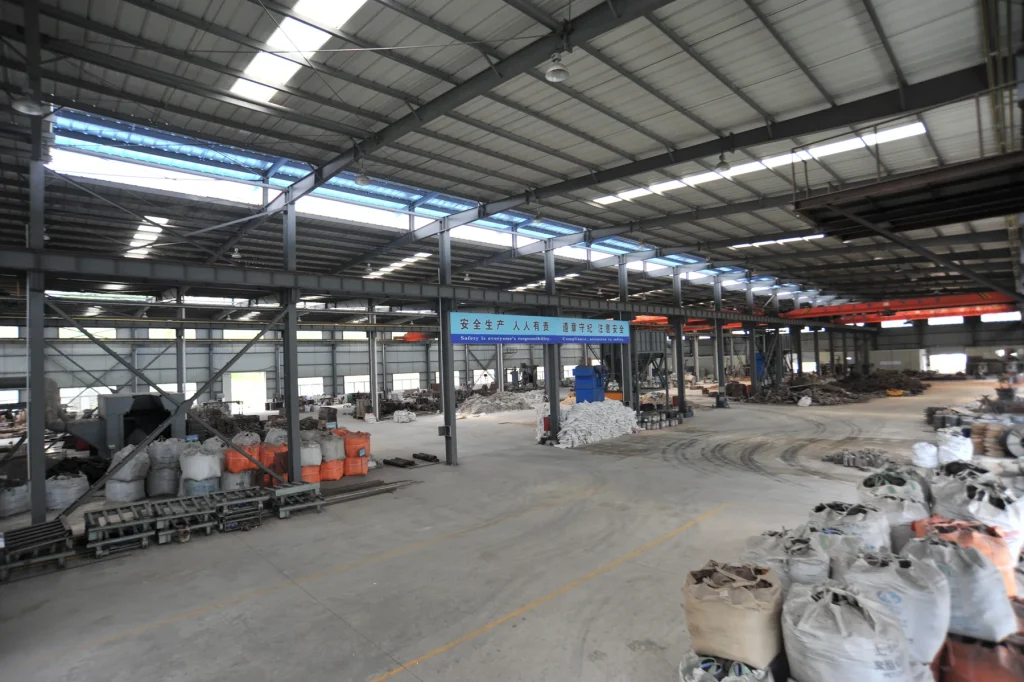
Cast grinding media and forged balls follow different forming routes. Material checks, heat treatment and final inspection connect each route to the specification agreed for the order.
01 / MATERIAL CONTROL
Check composition before forming.
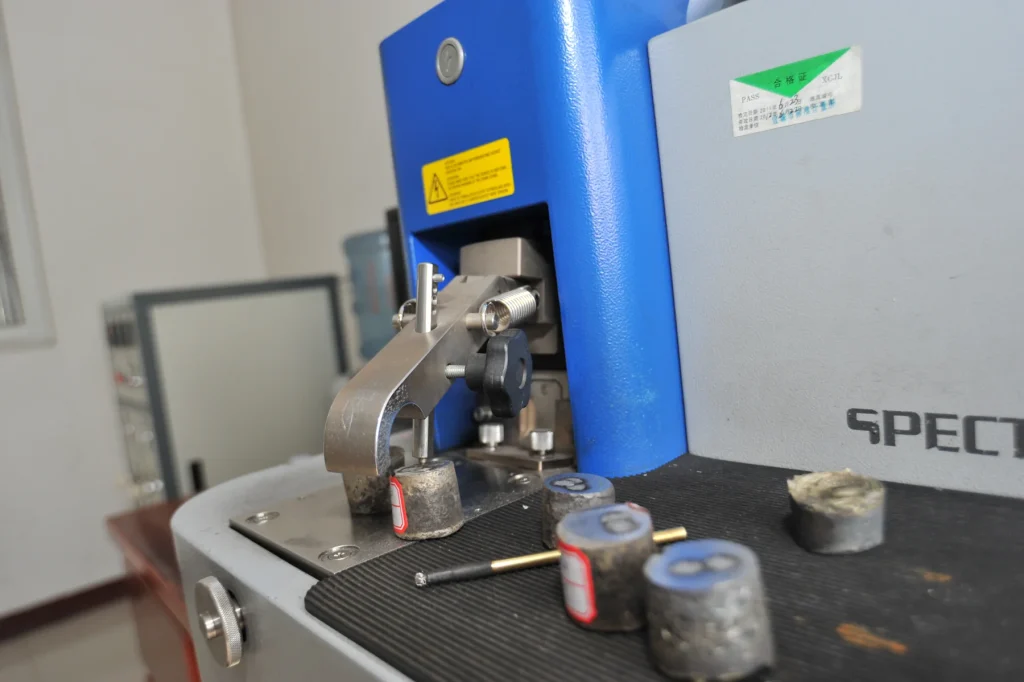
The casting process includes raw-material analysis and a chemistry check before molten metal enters the mould. The selected material grade defines the composition requirements; chromium content alone does not describe the complete specification.
02 / CASTING
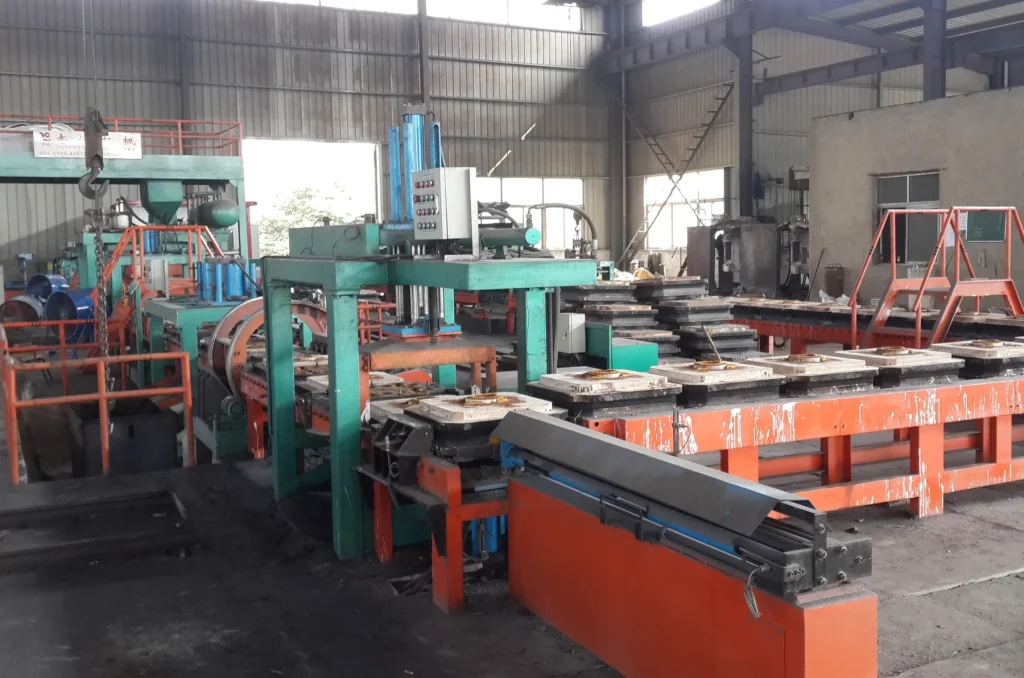
Form the product in the mould.
Cast grinding balls and cylpebs follow melting and moulding, then separation, surface finishing and visual inspection. Liner and hammer geometry is defined by the approved product drawing.
Size, material and shape determine the manufacturing route. Cast and forged products are treated as separate ranges.
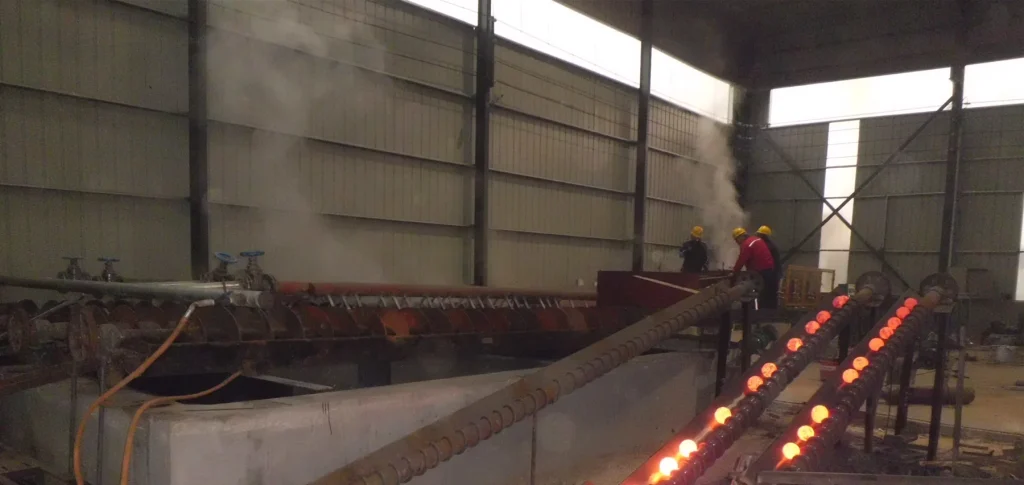
03 / FORGING
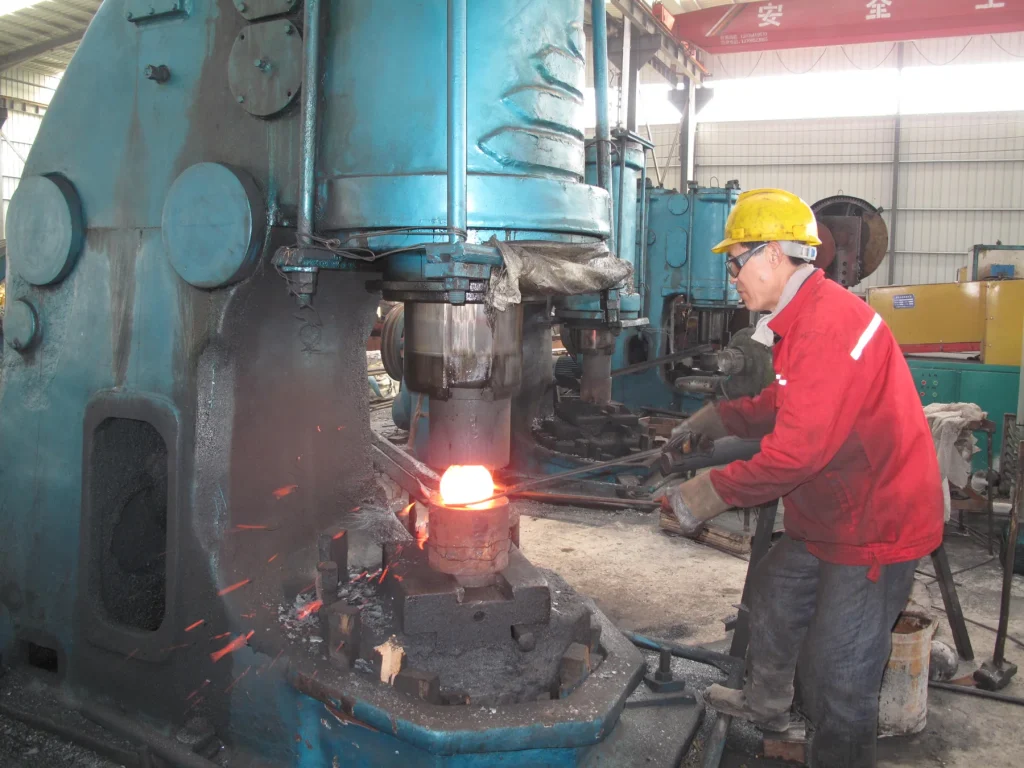
Shape heated steel for the forged-ball range.
The forging workshop forms heated steel into grinding balls. The ball diameter and selected material are considered together with subsequent heat treatment and inspection requirements.
04 / HEAT TREATMENT
Match the treatment to the material.
Quenching and tempering are part of the product process. Treatment requirements depend on the selected material, product dimensions and the agreed specification.
Hardness should be evaluated with its measurement position and method. Surface and core readings should not be treated as interchangeable.
05 / FINAL CHECKS
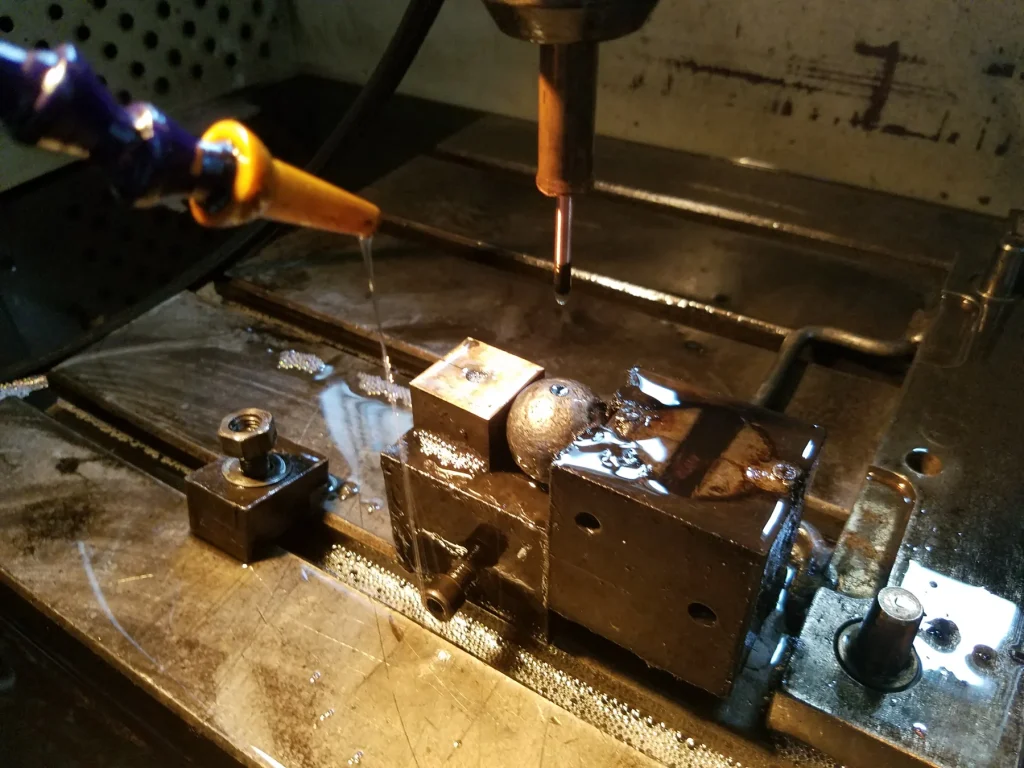
Inspect against the order requirements.
Finished-product checks cover appearance, dimensions and the specified material properties. The inspection plan should identify the tests, sampling method and acceptance criteria before production starts.
After inspection, the product is prepared for the agreed packing and dispatch arrangement.
QUALITY CONTROL IN PRACTICE
Measure the product against its specification.
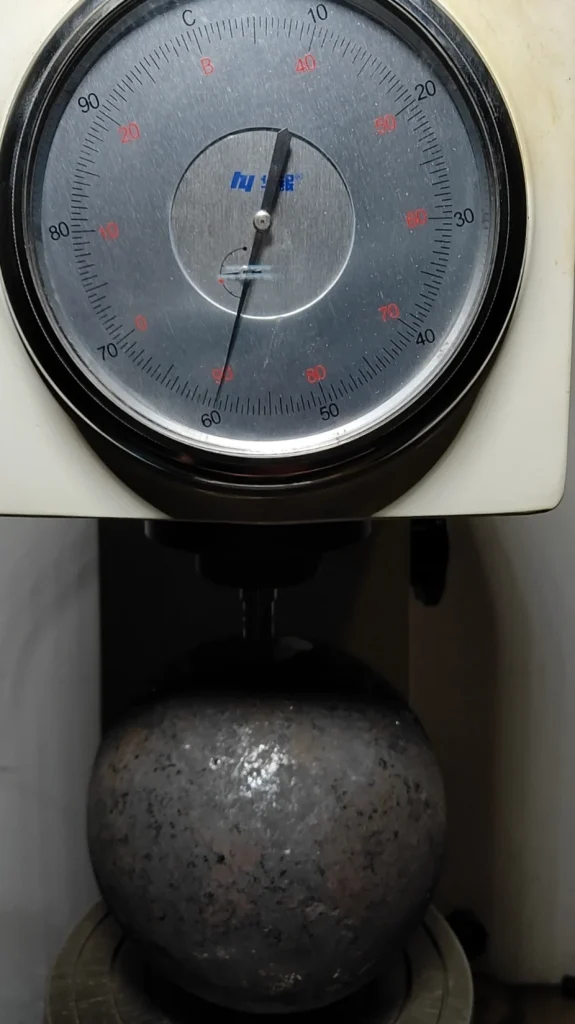
Forged-ball hardness
Hardness readings are assessed against the selected grade and agreed test location. Record the measurement method when comparing results.
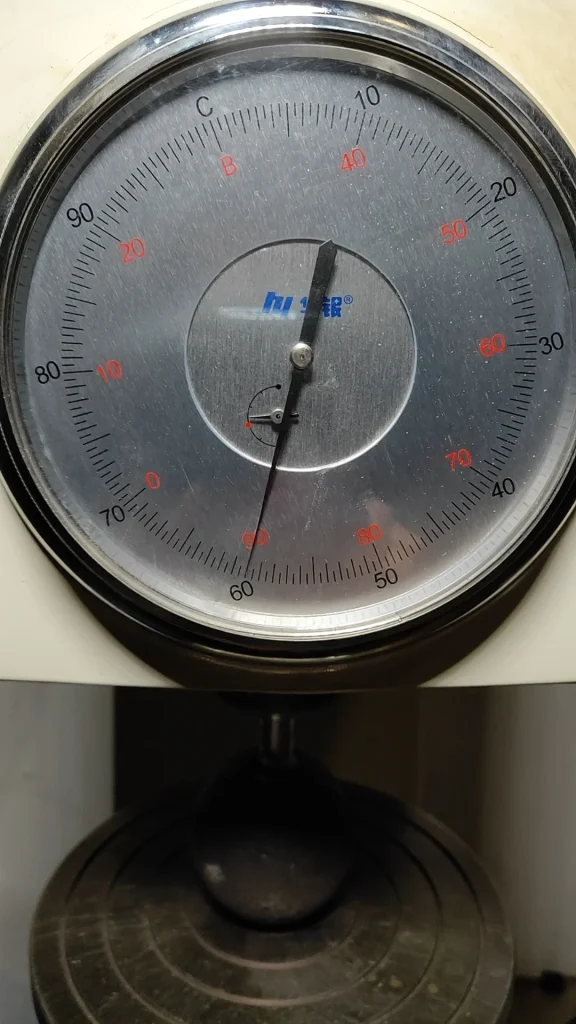
Cast-ball hardness
Check the cast product against its own material specification. Surface and core requirements must be identified separately in the inspection plan.
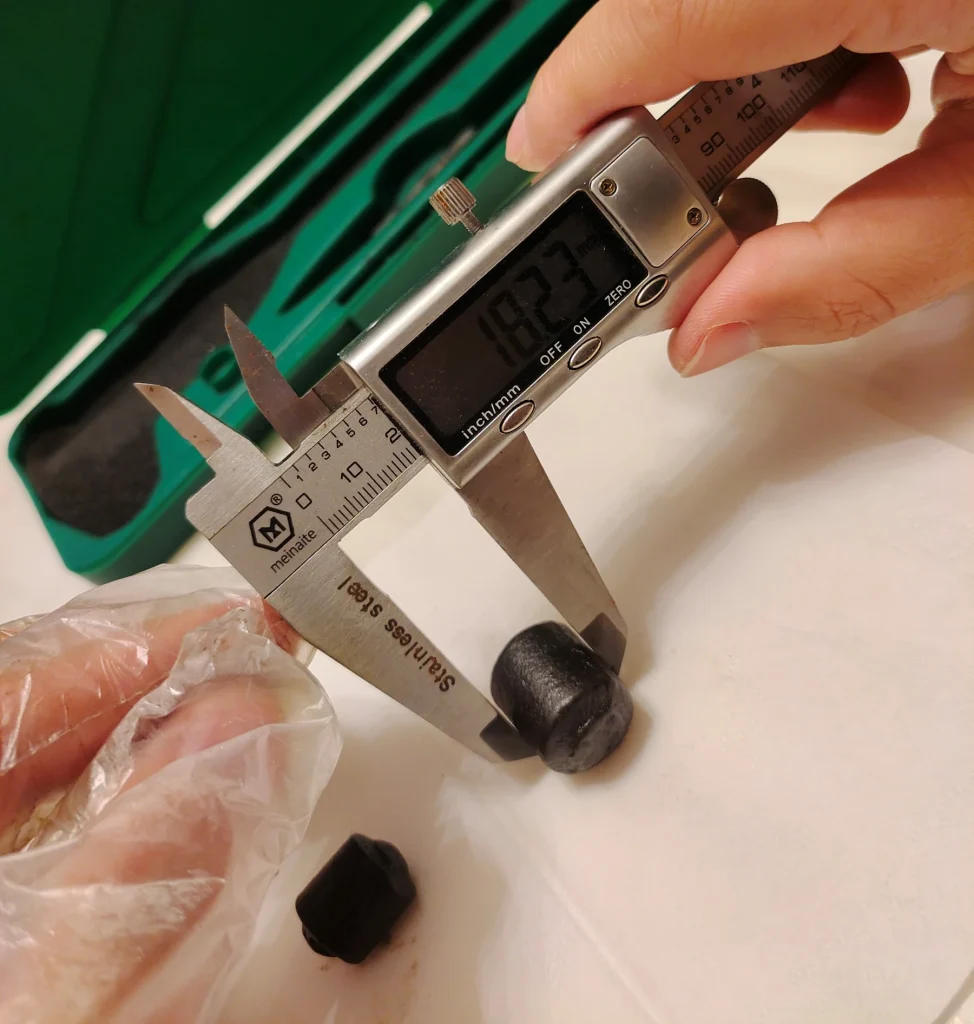
Dimensional inspection
Verify product dimensions against the order. For cylpebs, specify diameter and length; for drawing-based parts, identify the critical tolerances.
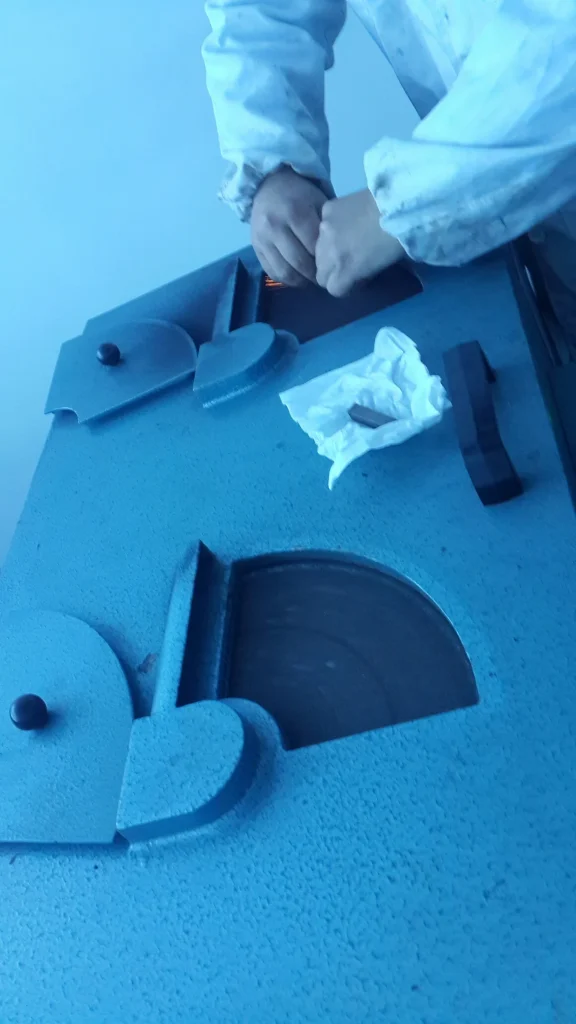
Sample preparation
Prepare samples for the specified examination. Sampling location and preparation method form part of a repeatable inspection procedure.